

Choosing new windows involves more than finding a style you like. The frame material affects the appearance, thermal performance, maintenance requirements and cost of your installation. uPVC and aluminium are both popular choices, but each offers different qualities.
At EE Glazing, we supply and install both materials because there is no single option that suits every property. The right choice depends on your home, budget and priorities. Here, we compare the main differences to help you make an informed decision.
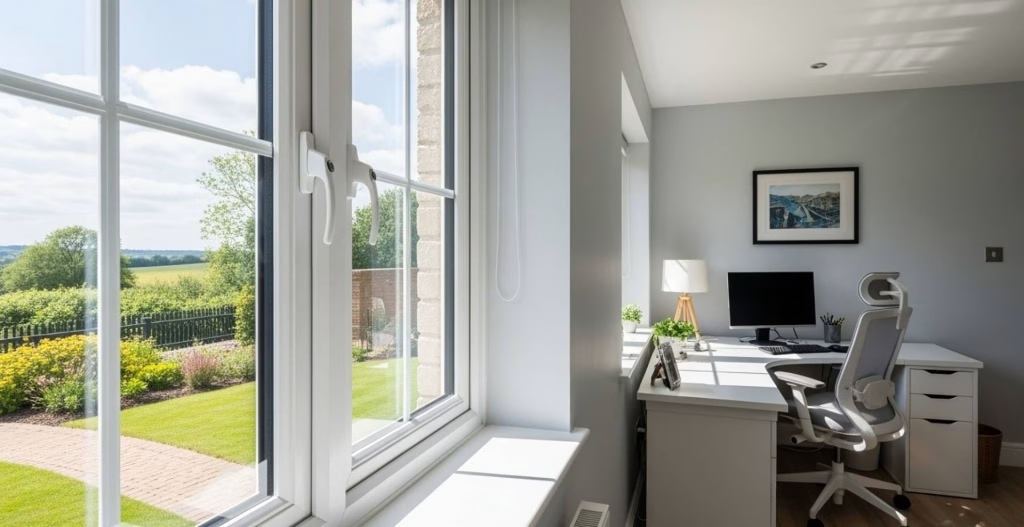
Appearance and frame design
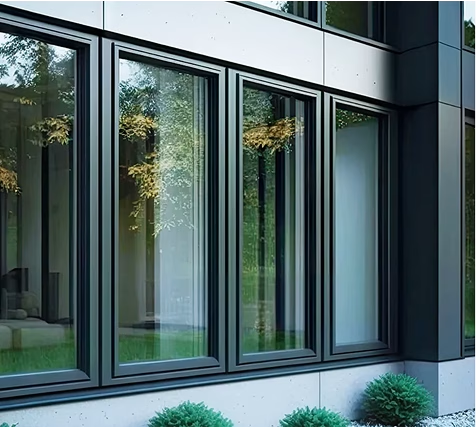
Aluminium is known for its slim frames and clean lines. Its strength allows it to support large panes of glass without requiring bulky profiles. This can provide wider views and allow plenty of natural light into the room. The sharp, understated finish works particularly well with modern homes, extensions and properties featuring large glazed areas.
Our aluminium windows are made to measure and available in a choice of styles and colours. Aluminium can also be finished in different colours internally and externally, allowing the outside to complement your property while the inside suits your decor.
Modern uPVC windows offer plenty of design flexibility. Alongside classic white frames, homeowners can choose from a range of colours and woodgrain finishes. This makes uPVC suitable for many property styles, from traditional houses to newer developments. Different window configurations are also available, including casement, flush casement, tilt and turn, bay and bow designs.
Thermal performance
Both materials can provide strong thermal performance when fitted with suitable glazing and installed correctly.
uPVC is naturally resistant to heat transfer. Its multichambered frame construction helps keep warmth inside the property, making it a practical choice for homeowners who want to improve energy efficiency. uPVC windows can be fitted with double glazing or triple glazing, depending on the requirements of your home.
Aluminium conducts heat more readily than uPVC, but modern aluminium window systems use thermal break technology. This separates the internal and external sections of the frame, reducing heat transfer and helping the window achieve good energy performance. The glass specification, frame system and quality of installation will all affect the final result.
Strength and lifespan
Aluminium is exceptionally strong and does not require thick frames to support large glass units. It is resistant to warping, rust and changing weather conditions, which makes it suitable for exposed locations and larger window openings. With basic care, aluminium frames can provide a long service life while retaining their shape and finish.
uPVC is also durable and designed to withstand everyday British weather. It will not rot and does not need painting. However, aluminium may be better suited to particularly wide openings or projects where the narrowest possible frames are a priority.
Maintenance requirements
Both uPVC and aluminium windows need relatively little maintenance. Frames can generally be kept clean with warm water and a soft cloth, while hinges and moving components should be checked periodically.
uPVC may show dirt more readily on lighter finishes, although regular cleaning will keep it looking smart. Powder coated aluminium is resistant to peeling and fading, so it can retain its appearance without repainting. Whichever material you select, looking after the hardware and keeping drainage channels clear will support reliable operation.
Cost and long term value
uPVC windows usually have a lower initial cost than aluminium. This makes them a popular option for replacing several windows at once or completing a project within a set budget. They provide a good balance of thermal performance, security and design choice.
Aluminium typically costs more because of the material, manufacturing process and slim profile construction. Some homeowners view this as a worthwhile investment for its strength, long lifespan and contemporary appearance. Your quotation will depend on the sizes, opening styles, glazing and finishes selected rather than the frame material alone.
Which window material suits your property?
uPVC could be the right fit if affordability, insulation and a wide choice of traditional styles are central to your plans. Aluminium may suit you if you prefer slim frames, larger glass areas and a crisp modern finish.
It is also possible to use both materials across one project. Aluminium might be chosen for a modern extension, while uPVC is used elsewhere to complement the original character of the house.
If you are comparing uPVC and aluminium windows, get in touch with EE Glazing. We can discuss your property, explain the available options and help you choose a suitable specification. Get a quote today or learn more about our made to measure window ranges.

- uPVC vs Aluminium Windows: Which Is Better for Your Home? - October 26, 2026
- How Energy Efficient Are Aluminium Windows? A Complete Guide for Homeowners - October 26, 2026
- How to Choose the Right Conservatory Style for Your Home - September 21, 2026