

When choosing new windows, the style of the frame can have a noticeable effect on the appearance of your home. Flush sash and casement windows are two popular choices, and although they operate in a similar way, their design and character are quite different.
Neither option is right for every property. Your decision may depend on the age and style of your home, your preferred finish, your budget and the level of maintenance you want. Here, EE Glazing explains the main differences to help you make an informed choice.
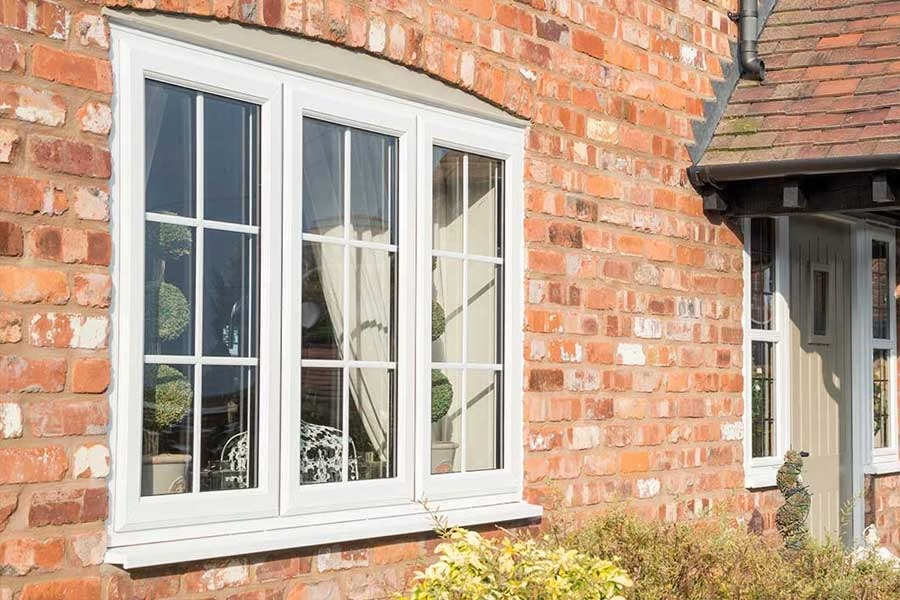
What are casement windows?
Casement windows are one of the most familiar window styles in Britain. Their opening sections, known as sashes, sit slightly forward from the surrounding outer frame when closed. This creates a subtle stepped appearance.
Casement windows are usually hinged at the side or top and open outwards. They can be arranged in several configurations, making them suitable for anything from a small bathroom opening to a wide living room window. Fixed panes can also be included where ventilation is not required.
Their straightforward appearance works with many types of property, including modern houses, family homes and older buildings. Homeowners can usually choose from different colours, frame finishes, glazing options and hardware to suit the surrounding architecture.

What are flush sash windows?
Flush sash windows work in much the same way as standard casement windows. The main difference is how the opening sash sits within the outer frame. When the window is closed, the sash is level with the frame rather than standing proud of it.
This creates a flatter and more understated finish. Flush frames are often chosen for traditional houses, cottages and period style properties because their clean lines can reflect the appearance of older timber windows. They can also suit contemporary homes where a simple, streamlined look is preferred.
Modern flush sash windows offer the character of traditional joinery without requiring the regular painting and upkeep commonly associated with timber. Wood effect finishes and traditional style hardware can add further period detail where appropriate.
How does their appearance differ?
The most visible distinction is the frame profile. Standard casement windows have a raised sash, giving the frame greater depth and definition. Flush sash windows have a level exterior face, producing smoother lines.
From inside the home, the difference may be less noticeable, depending on the chosen system and configuration. From outside, however, a flush design can create a more uniform frontage. This may be particularly important when replacing windows across the whole property.
The right choice will often come down to the building itself. A standard casement frame may sit naturally within a relatively modern development, while a flush sash design may complement brickwork, render or features with a more traditional character.
Are there differences in performance?
Both styles can provide strong thermal efficiency, weather protection and security when manufactured with suitable glazing, seals and locking systems. Performance depends on the complete window specification rather than the frame style alone.
Double glazing can help reduce heat loss and make rooms feel more comfortable throughout the year. The correct glass specification may also help with outside noise, privacy or solar control. Secure locking points and robust hardware are available across both window types.
Ventilation options are similar because each style can include side hung, top hung and fixed sections. The best arrangement will depend on the room, the position of the window and how much airflow is needed.
What about maintenance and cost?
Modern uPVC casement and flush sash windows are designed to be easy to care for. Routine cleaning of the frames, glass and moving parts will usually keep them looking and working as intended.
Flush sash windows can cost more than standard casement windows because of their specialist profile and detailed finish. However, the final price will also depend on the size, colour, glass, hardware and number of opening sections. A quotation based on your property will provide a clearer comparison.
Which window style suits your home?
Consider the existing character of your home, the look you want to achieve and your available budget. Planning requirements may also apply if your property is listed or located in a conservation area, so it is worth checking before work begins.
EE Glazing can talk you through the differences and help you compare suitable designs, colours and configurations. To learn more, get in touch with our team or get a quote for your new windows.

- Flush Sash vs Casement Windows: What’s the Difference? - November 13, 2026
- How Much Does a Composite Door Cost in the UK? - November 13, 2026
- Does Triple Glazing Reduce Outside Noise? - November 13, 2026